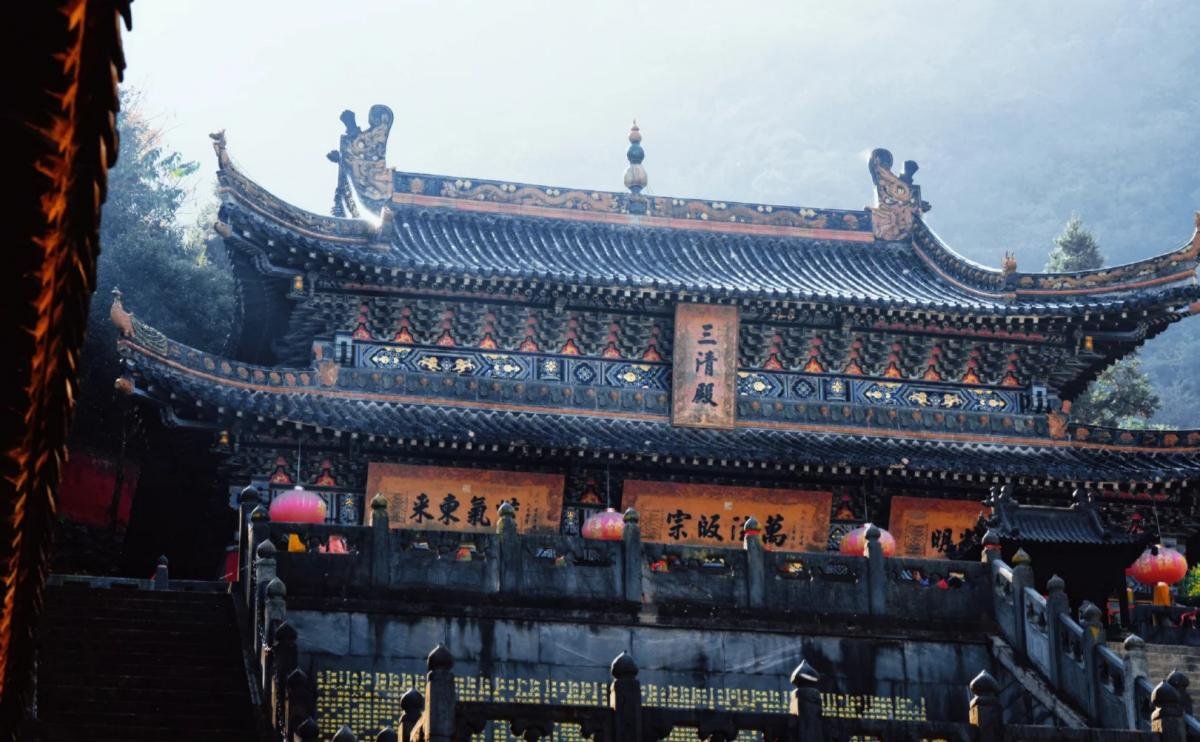



Unveiling the Mysteries of Feng Shui

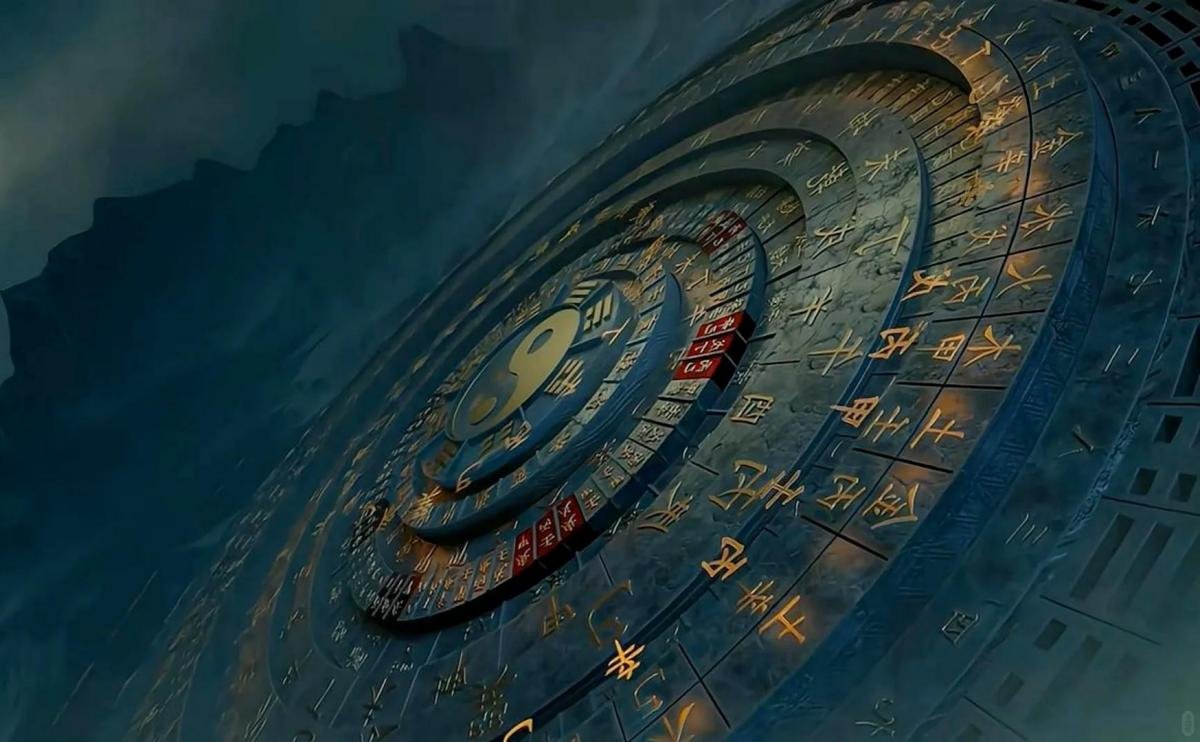
To the untrained eye, it is the arrangement of a room, the orientation of a house, or the shape of a distant mountain. But for those who understand, it is a dialogue with the unseen forces of the universe. This is Feng Shui (风水), literally "Wind and Water." It is the ancient Chinese art of harmonizing human life with the invisible energy flows—Qi (炁)—that permeate our environment. Beyond simple aesthetics, it is a sophisticated system of cosmic geography, a way to align our dwellings and lives with the rhythms of heaven and earth to attract health, prosperity, and peace.
The Ancient Chinese Art of Harmonizing with Nature
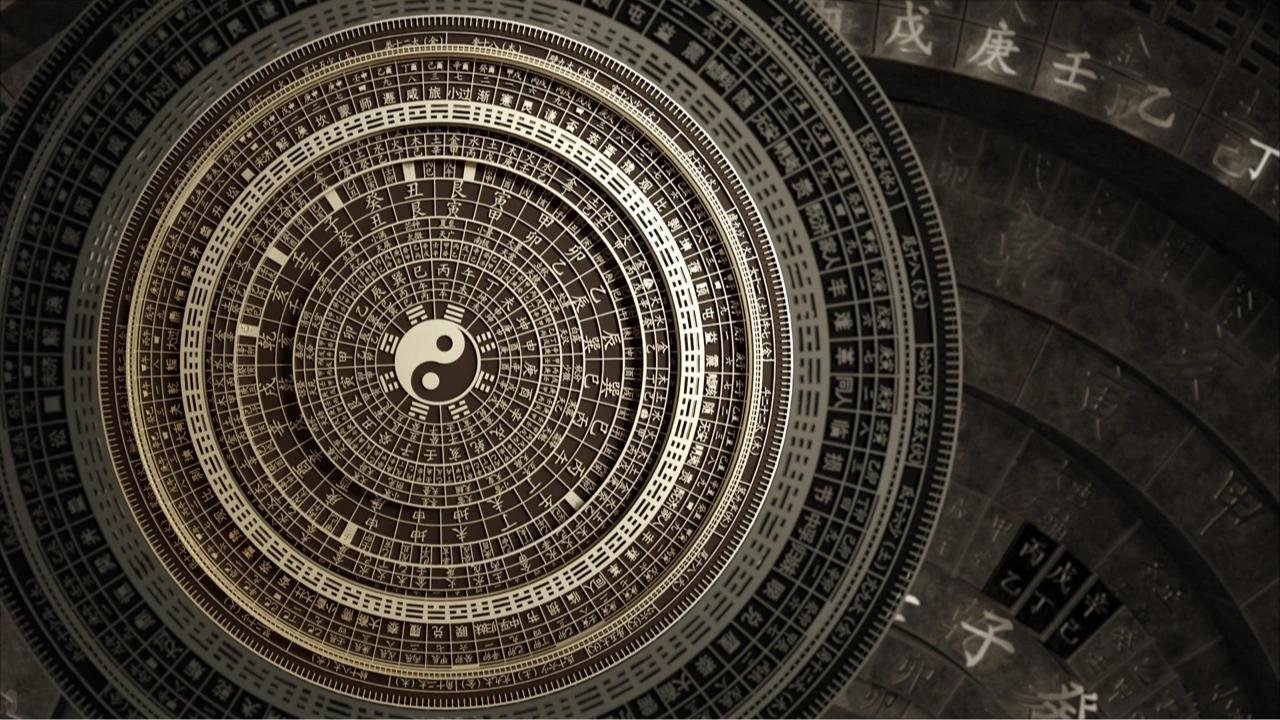
Feng Shui (风水), which literally translates to "wind and water," is a centuries-old Chinese practice that seeks to create harmony between humans and their environment. Rooted in Taoist philosophy and the principles of Yin and Yang, Feng Shui is more than just an interior design trend—it is a profound cultural system that reflects the Chinese worldview of living in balance with the natural world.
At its core, Feng Shui is based on the idea that the arrangement of spaces—from homes and offices to cities and tombs—can influence the flow of "Qi" (炁), or life force energy. By optimizing the flow of Qi, Feng Shui aims to promote health, prosperity, and happiness. Key elements include the Bagua map (an energy map dividing spaces into life areas), the Five Elements (wood, fire, earth, metal, water), and the careful placement of objects to align with directional forces.
To many outsiders, Feng Shui may seem mysterious or even mystical. Its practices—such as placing mirrors to deflect negative energy, using water features to attract wealth, or orienting buildings toward favorable directions—are woven with symbolism and intuition. Yet, beneath this layer of mystery lies a deep respect for nature and a sophisticated understanding of geography, architecture, and psychology. For centuries, Chinese emperors, scholars, and everyday people have relied on Feng Shui to plan cities, design homes, and honor ancestors, believing that harmony with the environment leads to a harmonious life.
Feng Shui is not superstition
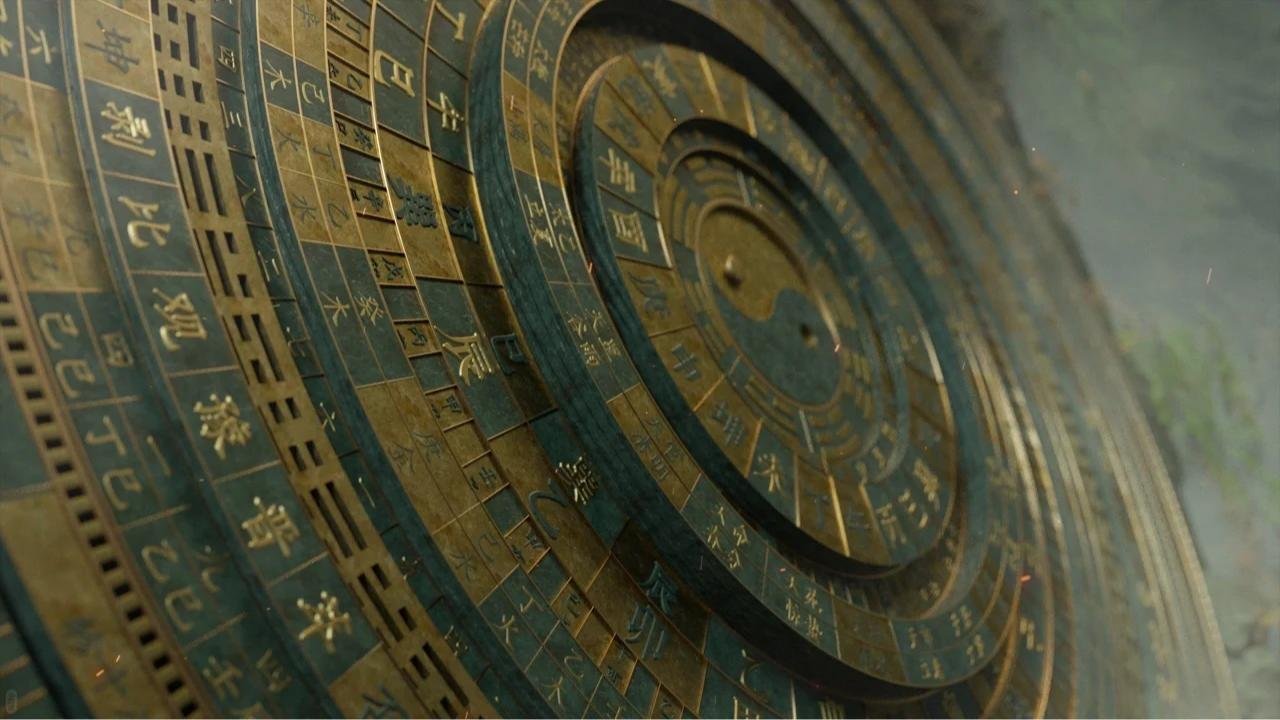
it is a sophisticated system blending philosophy, astronomy, geography, and aesthetics. It draws from the wisdom of the Yin-Yang principle and the Five Elements (Wood, Fire, Earth, Metal, Water), offering a unique lens to view the connection between space and human destiny. A well-designed space according to Feng Shui principles is believed to promote good fortune, while poor alignment may lead to obstacles.
What makes Feng Shui captivatingly mysterious is its subtle, yet powerful influence. From the orientation of a bed to the arrangement of furniture, every detail is considered significant. For instance, placing a water feature in the north sector of a home might attract career opportunities, while keeping the entrance clutter-free invites positive energy. These practices reflect a deep reverence for nature and an intuitive understanding of environmental psychology.
For the Chinese people, Feng Shui is more than an ancient tradition—it is a living cultural heritage. It embodies a holistic worldview that values balance, respect for nature, and the pursuit of well-being. Today, many modern architects and interior designers, both in China and globally, incorporate Feng Shui principles to create spaces that feel both serene and energizing.
By exploring Feng Shui, one glimpses the depth of Chinese thought: a timeless quest to align human existence with the cosmic order. It invites everyone to notice the unseen connections between our surroundings and our inner lives, making it not just a Chinese art, but a universal language of harmony.

71 Pilgrim Avenue
Chevy Chase,
MD 20815