

Unveiling the Mysteries and Wisdom of Daoism

To understand China, one must listen to the whisper of the wind through ancient pines and the quiet flow of a mountain stream. This is the voice of Daoism (Taoism), one of the world's most ancient and profound spiritual traditions, born from the very soul of Chinese civilization. More than a religion, it is a philosophy, a guide to living in harmony with the deepest rhythms of the universe.
The Dao and The Virtue
Imagine an unseen, unstoppable current that shapes everything—the seasons, the stars, the rise and fall of life. This is the Dao (Tao), often translated as "The Way." It is the source, the principle, and the flow of all existence. Daoism teaches that striving against this natural flow leads to suffering, while aligning with it brings peace, wisdom, and power.
The companion to the Dao is De (Te), meaning "Virtue" or "Integrity." It is not about moral rules, but the inherent power and authenticity one cultivates by following the Dao. Like a perfectly still pond that reflects the moon clearly, a person with strong Deacts effortlessly and effectively, their true nature shining through.
Yin and Yang
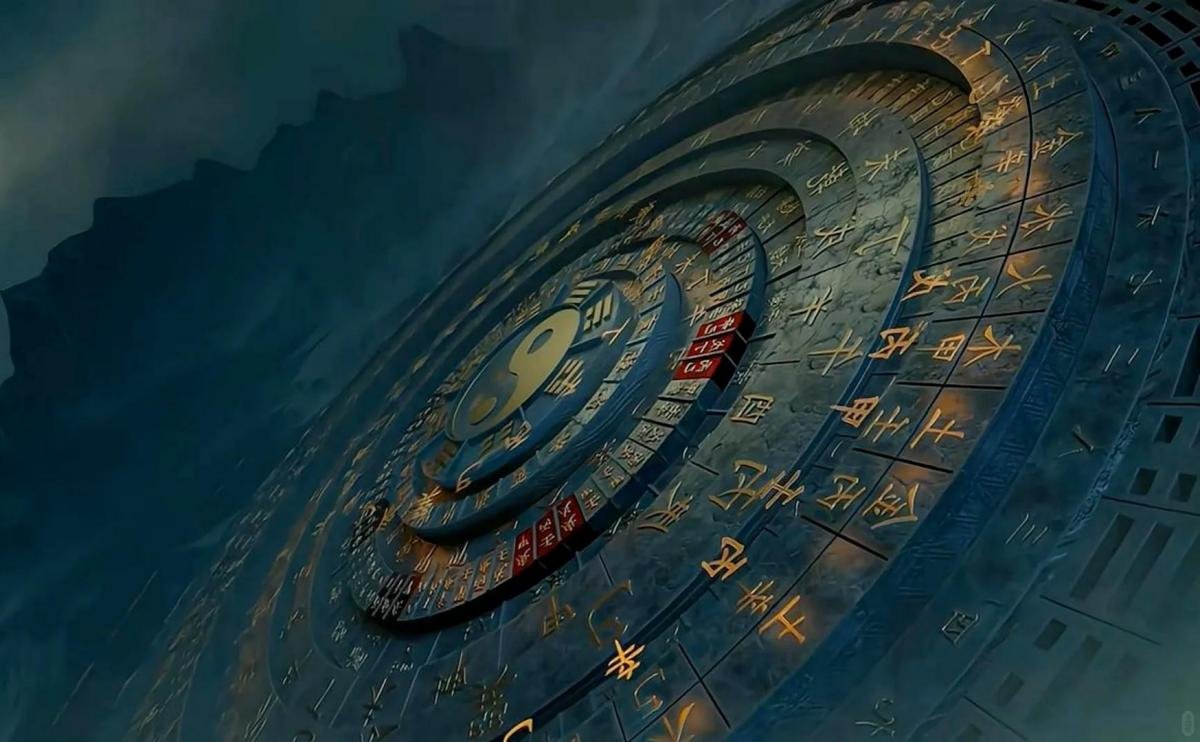
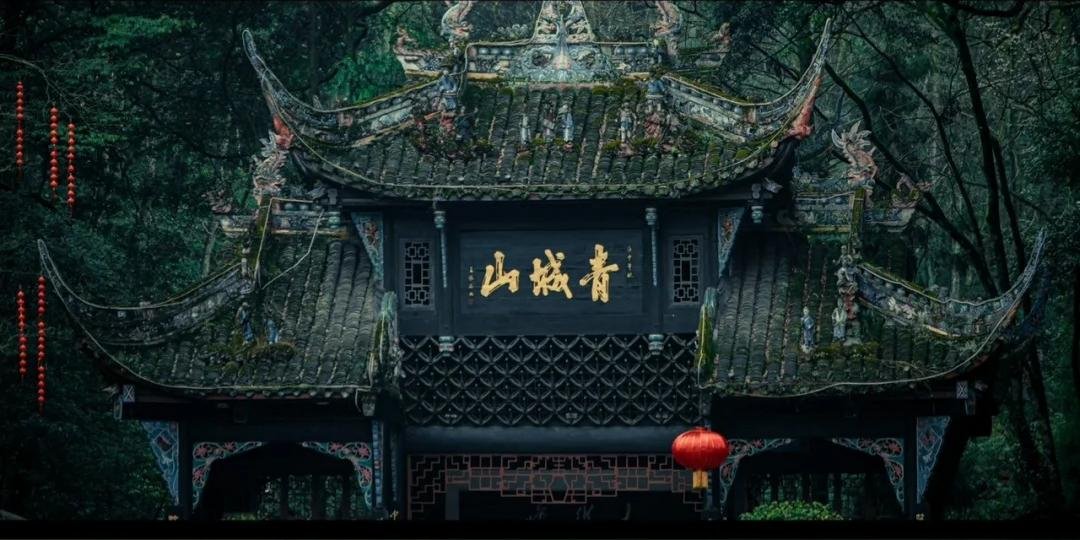
You have likely seen its symbol: the swirling circle of black and white. This is Yin and Yang, the core Daoist model of reality. They are not opposing forces, but complementary partners—dark and light, feminine and masculine, rest and action, earth and heaven. Daoism sees the universe as a dynamic, beautiful dance between them. True harmony and health, whether in one's body, society, or the environment, come from balancing these energies. This philosophy gave birth to foundational Chinese sciences like traditional medicine, martial arts (like Tai Chi), and Feng Shui.
Mysticism and Practice
Here lies the mystical heart that has captivated seekers for millennia. Daoists believe this harmony can be mastered through dedicated cultivation, aiming for longevity, spiritual insight, and ultimate unity with the Dao.
Inner Alchemy: This is the grand mystery. Daoists view the human body as a microcosm of the universe. Through meditation, breath control, and specific movements, practitioners seek to refine their vital energies (Qi), transform their spirit, and achieve immortality—sometimes understood as a transcendent spiritual state, sometimes as a literal physical existence.
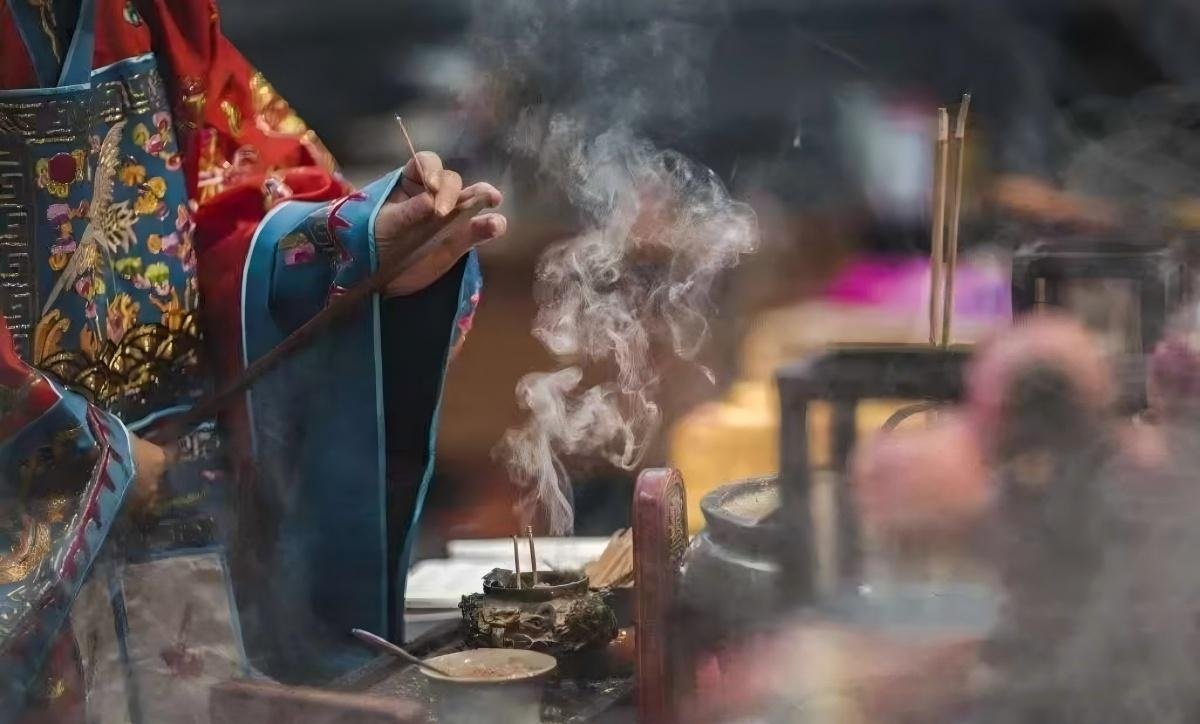
The Pantheon and Rituals: Popular Daoism features a vast, celestial bureaucracy of gods and immortals, many of whom were once historical figures who attained the Dao. Elaborate, mesmerizing rituals with music, chant, and dance are performed to honor these deities, harmonize cosmic forces, and bless communities.
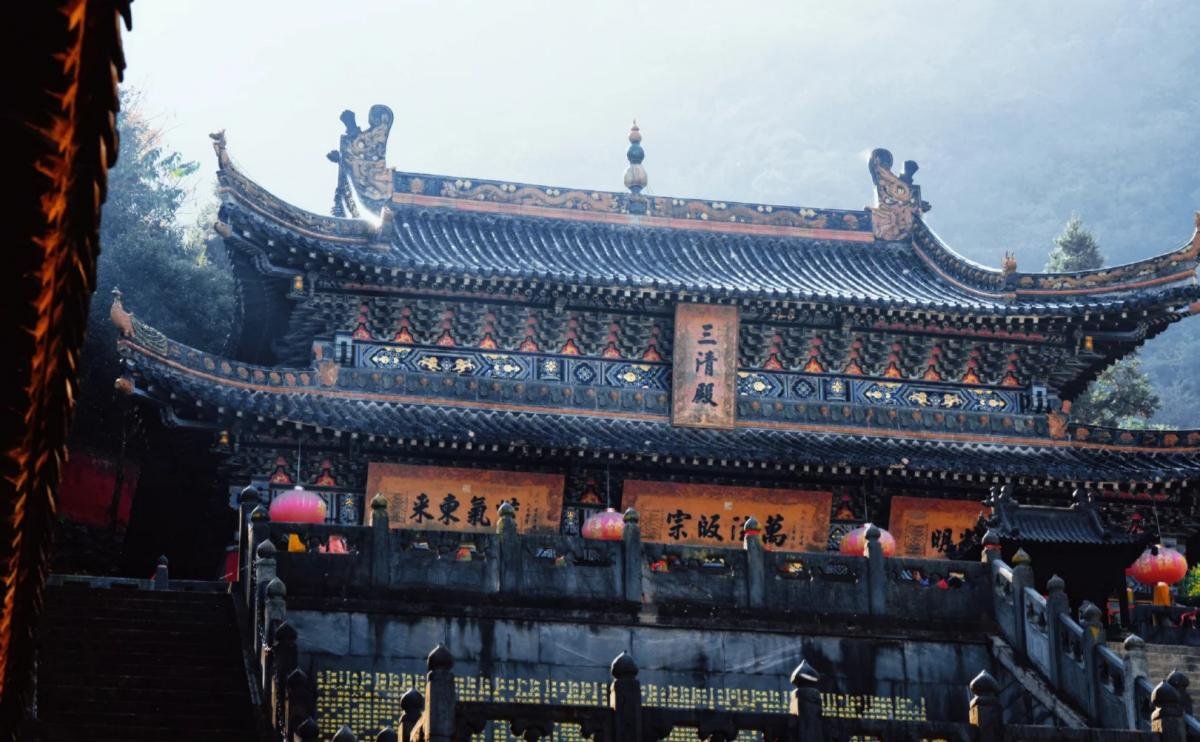
Nature as Sacred Text: For Daoists, untamed mountains, forests, and rivers are not just scenery; they are temples and teachers. Hermits and monks have for centuries sought solitude in sacred peaks like Wudang or Longhu to learn nature's secrets and absorb its pure Qi.
Daoism's Living Legacy
Daoism is no relic. It is a living stream that continues to nourish the Chinese spirit:
Its emphasis on naturalness and simplicity offers a powerful antidote to modern stress.
Its ecological vision of humans as part of nature, not its masters, provides timeless wisdom for our planetary challenges.
Practices like Tai Chi and Qigong are embraced globally for health and tranquility.
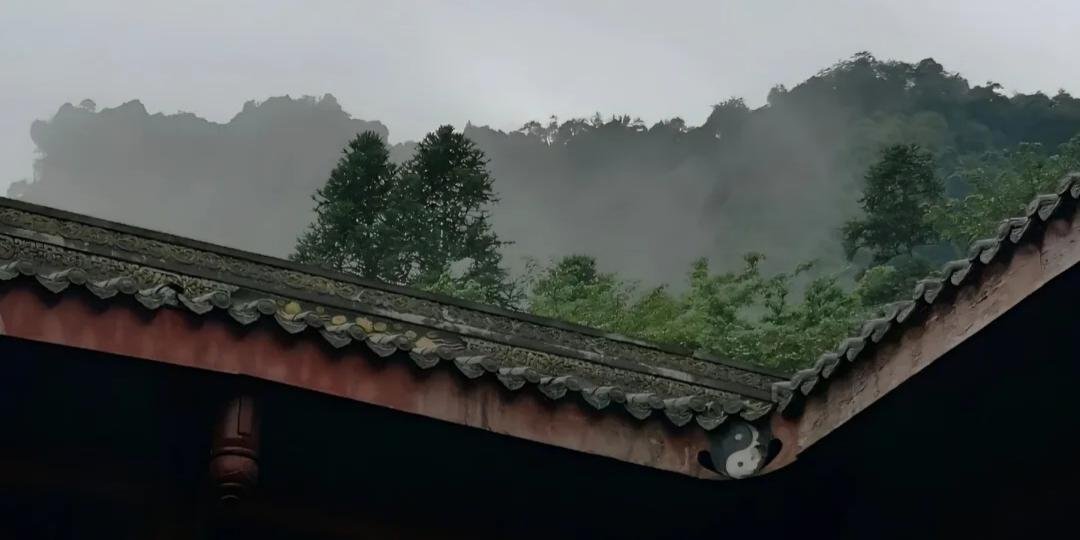
Its artistic influence is seen in the awe-inspiring landscapes of classical painting, where tiny humans contemplate vast, misty mountains.
For the Chinese people, Daoism is more than a belief system; it is a foundational layer of our cultural DNA. It shapes our aesthetics, our approach to health, our sense of place in the cosmos, and our subtle, resilient spirit. It teaches us to find strength in flexibility, to see wisdom in emptiness, and to seek harmony in a world of constant change.
To explore Daoism is to begin a journey into a different mode of being—one of profound mystery, deep peace, and harmonious power. It is an invitation to step into the flow.